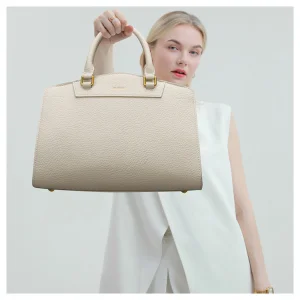
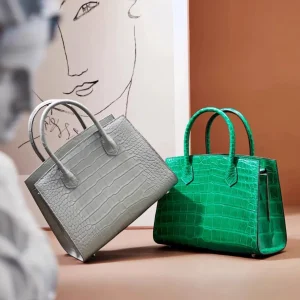
Engineered for high-volume markets, marrying modern aesthetics with strict global export quality standards.
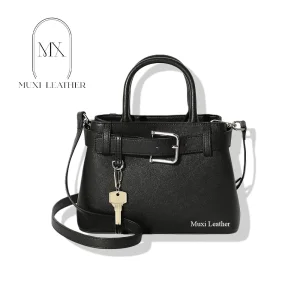
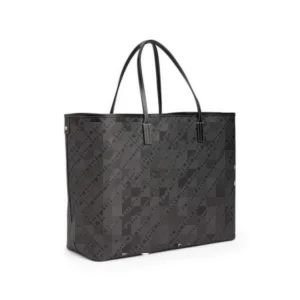
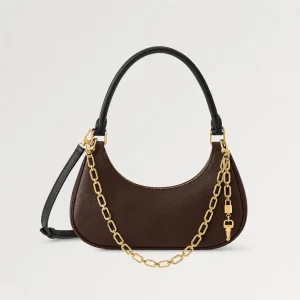
Key economic performance parameters demonstrating robust capacity, exports, and growth trajectory.
The Indian fashion accessory market is witnessing an unprecedented transition. Driven by structural reforms, technological injection, and a rapidly evolving domestic supply ecosystem, the country has positioned itself as a primary global hub for leather, synthetic, and sustainable lifestyle carryalls. Major industrial clusters in regions such as Chennai (recognized for high-grade tanning and premium finish works), Kanpur (famed for heavy-duty structural builds), Kolkata (pioneering circular, organic, and plant-fiber bag builds), and the National Capital Region (NCR) are converging to form a powerhouse of global sourcing.
India’s strategic advantage is grounded in its dual manufacturing prowess: a massive pool of skilled artisans specializing in hand-stitching, embroidery, and custom detailing, operating alongside automated, ISO-certified modern production lines. This allows global brands to execute complex custom hardware and intricate designs at a fraction of the cost found in traditional manufacturing hubs, while simultaneously meeting stringent supply timelines.
Understanding the friction points between traditional procurement channels and the Indian export structure is critical for supply chain resilience. Traditional Asian manufacturing centers (such as Guangdong and Zhejiang) benefit from vertical integration, specifically within raw material components like specialized polyurethane (PU) and advanced alloy hardware.
In contrast, the Indian manufacturing model thrives on material diversification—blending genuine full-grain leather, certified vegan leather (PU/TPU), and natural fibers like jute, cotton, and organic canvas. This makes India the premier choice for brands pursuing ESG (Environmental, Social, and Governance) targets, offering carbon-neutral options that meet strict European Union and North American regulatory guidelines.
| Parameter | Indian Manufacturing Profile | Traditional Asian Hubs | Fren Fashion Synergized Solution |
|---|---|---|---|
| Material Sourcing | High availability of genuine leather, jute, canvas; imported high-grade PU. | Vast domestic PU, PVC, and synthetic fiber networks. | Hybrid pipeline sourcing advanced PU from China combined with Indian assembly. |
| MOQ Requirements | Flexible: 500 to 1,000 units per style. | High: Usually 1,500+ units. | Highly adaptable to emerging private labels and enterprise buyers. |
| Customization Depth | Exceptional artisan tooling, hand-painted edges, bespoke hardware. | Highly standardized machinery-centric designs. | Co-designed prototype translation with 3D CAD modeling. |
| Compliance Standards | LWG (Leather Working Group) certified, REACH, and BSCI compliant. | Highly compliant, but facing increasing carbon taxes. | Dual-region audits ensuring absolute environmental and social safety. |
Global sourcing managers face substantial challenges: quality fluctuation, shipping delays, and communication barriers. To address these bottlenecks, leading exporters have implemented structural solutions.
First, the establishment of **Structured Prototyping Workflows** ensures that before mass production, a physical and digital twin of the design is simulated. This controls tolerances down to 0.5mm. Second, to resolve raw-material lead time variations, manufacturers maintain **buffer reserves of standardized components**, such as YKK zippers, reinforced inner linings, and non-toxic edge dyes.
Finally, the optimization of **Logistics and Custom Corridors** via major ports like Nhava Sheva (Mumbai) and Chennai Sea Port, combined with air hubs in New Delhi, ensures that transit times to destinations in North America and Western Europe are kept within a tight 18 to 25-day maritime window, and under 5 days for express air transport.
"Sustainability and supply chain visibility are no longer optional. Modern consumers demand trace-back assurance from the raw hide or polymer chip directly to the retail floor. Indian manufacturers who bridge the gap between traditional manual skill and automated traceability systems are leading the global market."
Dongguan Fren Fashion Co., Ltd. is a professional Handbag Manufacturer specializing in fashion bags, private label collections, and custom accessories solutions for global fashion brands, retailers, wholesalers, and sourcing companies. Located in Dongguan, China, the company focuses on the design, development, and production of high-quality handbags and fashion accessories that combine functionality, style, and market-driven trends.
With extensive experience in fashion manufacturing, Fren Fashion provides a comprehensive range of solutions covering fashion handbags, lifestyle accessories, premium bag collections, sustainable fashion products, private label development, OEM manufacturing, and ODM design services. The company works closely with customers to transform concepts into market-ready collections that align with brand positioning, target audiences, and evolving fashion demands.
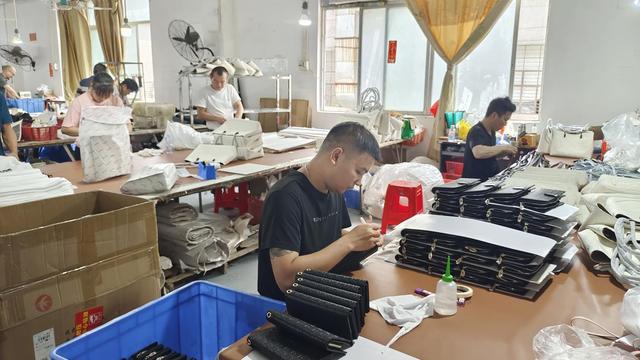
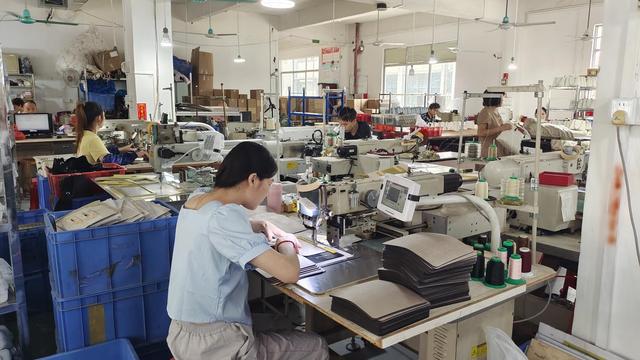
Fren Fashion places strong emphasis on craftsmanship, material selection, and production consistency. Its experienced design and product development teams continuously monitor international fashion trends and consumer preferences to support customers with innovative product concepts and customized solutions. From material sourcing and sample development to mass production and quality inspection, the company maintains a structured manufacturing process designed to ensure product reliability and visual appeal.
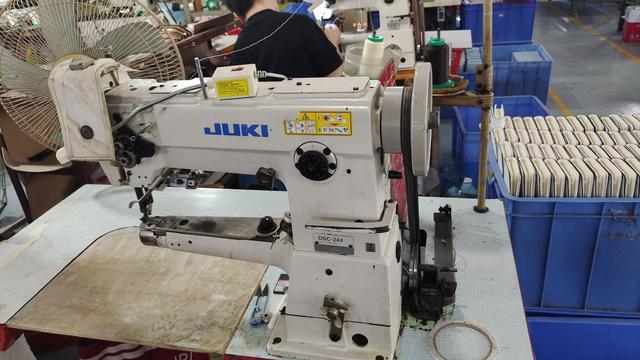
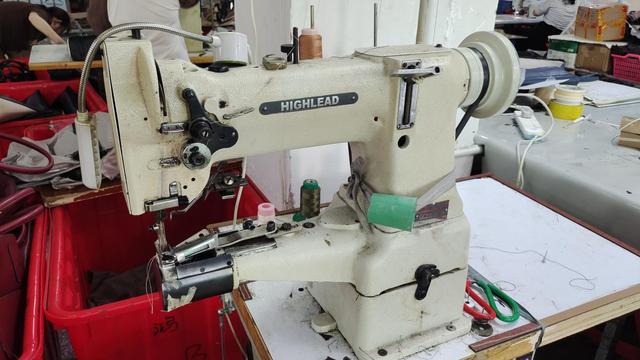
Equipped with modern production facilities and comprehensive quality management systems, Fren Fashion is committed to delivering products that meet international quality standards and customer expectations. The company offers flexible manufacturing capabilities that support both emerging fashion brands and established global retailers seeking scalable production solutions.
Serving customers across North America, Europe, Asia, the Middle East, South America, and other international markets, Dongguan Fren Fashion Co., Ltd. is dedicated to building long-term partnerships through dependable manufacturing, efficient project management, and responsive customer support. The company continues to help fashion businesses develop competitive handbag collections and custom accessories solutions for diverse global markets.
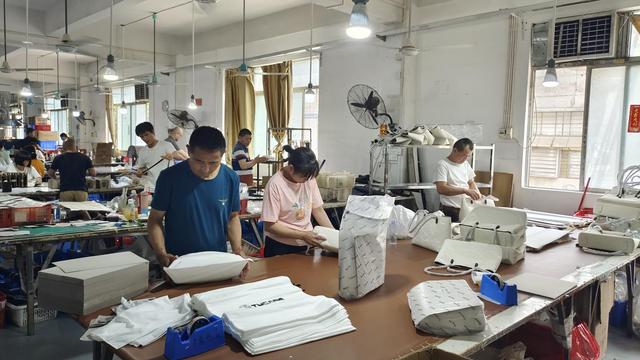
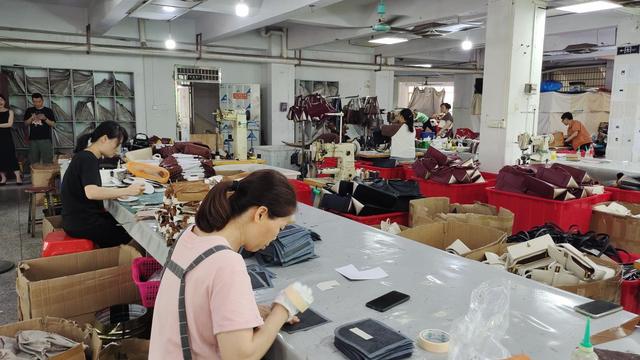
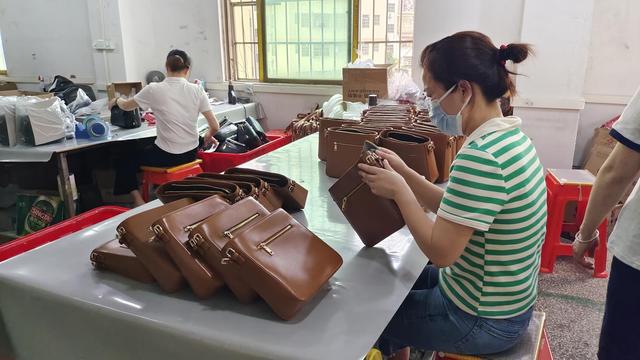
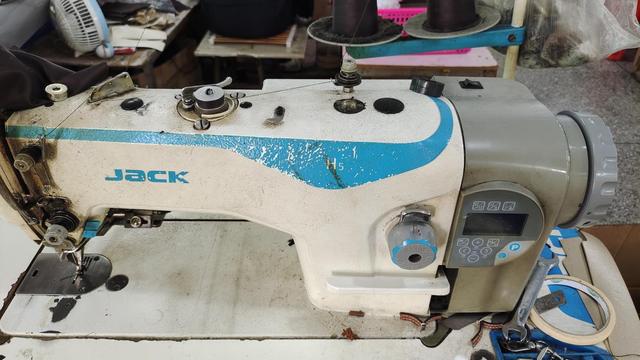
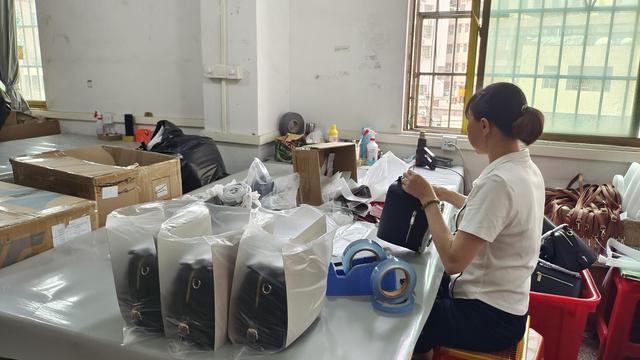
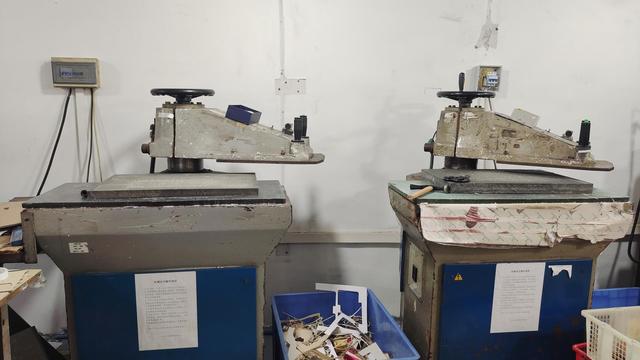
In the Indian context, the application of fashion handbags is highly segmented. Manufacturers must understand the diverse domestic and export demands:
The handbag factory of tomorrow is defined by digitalization. Over the next five years, the integration of 3D virtual prototyping tools will cut sample approval times from weeks to hours, significantly reducing material waste. Additionally, we are scaling the use of bio-based materials—moving from traditional polyurethane to polyols derived from vegetable oil and agricultural waste, resulting in an estimated 40% reduction in carbon footprints.
From an operational standpoint, factories are implementing RFID-enabled supply chain tracking, giving brands real-time visibility into the movement of their order, from the initial cutting floor to the final container loading dock.
Exporting handbags to highly regulated markets like Europe, North America, and Japan requires adherence to strict physical and chemical testing. Below are the mandatory technical quality metrics executed in our partnering QA facilities:
Q1: What is the typical Minimum Order Quantity (MOQ) for custom handbag production?
A1: Our standard production MOQ is 500 units per style/color. However, for initial launch collections or emerging private labels, we can offer flexible lower-limit pilot runs depending on material availability and hardware customization needs.
Q2: How do you verify material safety and environmental compliance?
A2: All raw materials (PU, fabrics, leather, structural interlinings) undergo rigorous testing at third-party laboratories (like SGS, ITS, or TÜV) to confirm compliance with REACH, RoHS, and California Proposition 65 standards prior to production kick-off.
Q3: Can we customize the alloy hardware and brand logo designs?
A3: Yes. We offer comprehensive OEM/ODM custom mold services for all metal elements including zippers, sliders, buckles, and plaques. Logo applications include hot stamping, debossing, screen printing, and metal emblem attachment.
Q4: What are the sample lead times and mass production turnaround times?
A4: Paper patterns and initial prototypes are typically completed in 7 to 10 days. Mass production averages 30 to 45 days after deposit confirmation and sample sign-off, depending on order size and materials.
Q5: How do you ship products to North American and European markets?
A5: We provide FOB, CIF, and DDP shipping configurations. High-volume shipments are typically containerized out of major maritime hubs like Shenzhen or Nhava Sheva (Mumbai), while time-critical launches are dispatched via major air-freight networks.
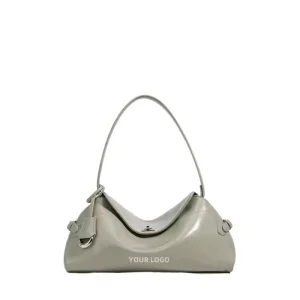
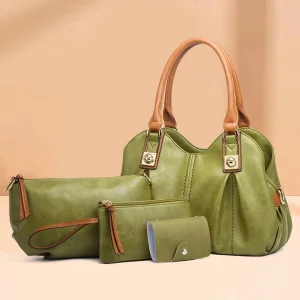
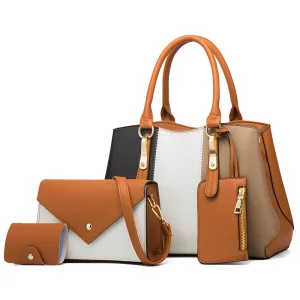
High-efficiency, commercially optimized designs crafted to meet volume demands in international retail.
 Fren Fashion