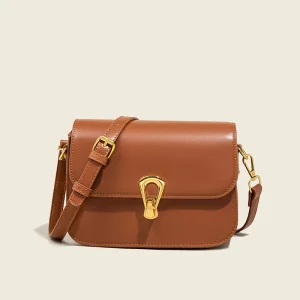
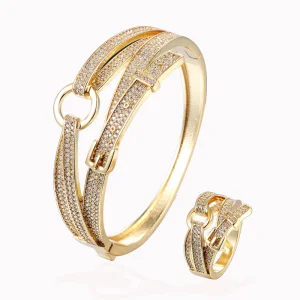
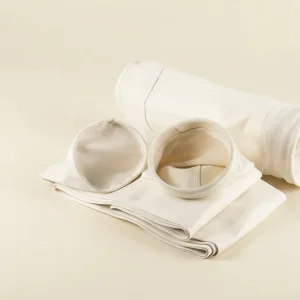
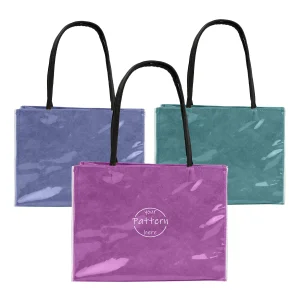
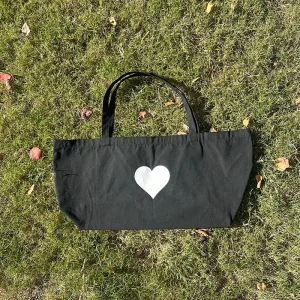
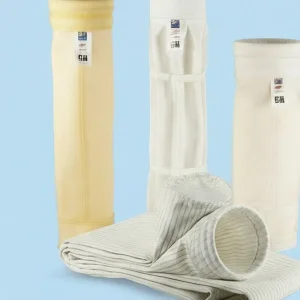
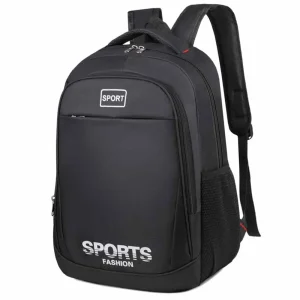
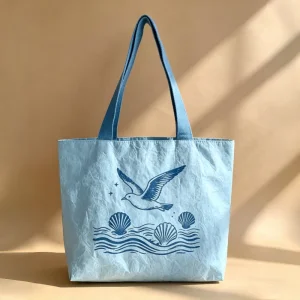
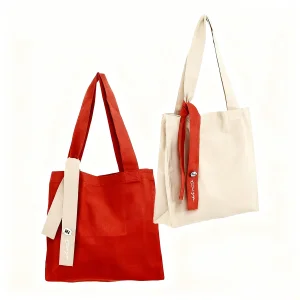
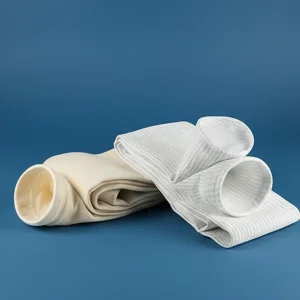
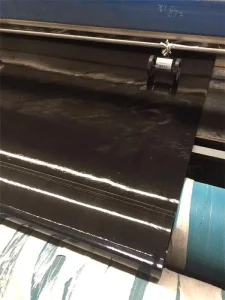
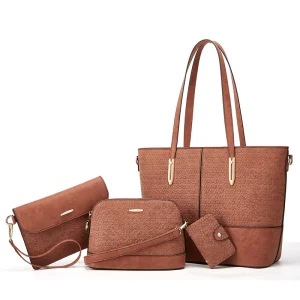
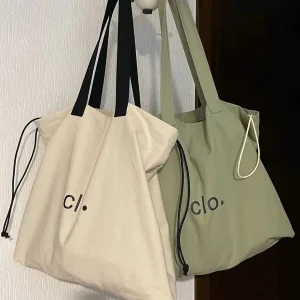
Explore our verified manufacturing capabilities spanning technical air filtration components, advanced geotextiles, and high-fashion accessory systems optimized for global trade routes.
In the hyper-competitive global fashion ecosystem, B2B procurement of accessories requires a delicate equilibrium between aesthetic ingenuity and rigorous regulatory conformity. Fashion Appliqué Bags, characterized by high-relief, multi-material surface ornamentation, represent a highly specialized category where structural durability directly intersects with consumer safety directives. As global sourcing teams seek to mitigate customs risks and consumer product liability, partnering with a certified manufacturer becomes a fundamental operational imperative.
This document serves as an industry whitepaper addressing the design evolution, material science compliance, and systemic manufacturing methodologies optimized by Dongguan Fren Fashion Co., Ltd.. Centered around European CE (Conformité Européenne) criteria, REACH chemical compliance, and cutting-edge digital pattern layouts, we detail the macro solutions necessary for global retail organizations, high-end private label brands, and international importers to secure high-value market share.
The contemporary fashion landscape is witnessing a profound renaissance in dimensional embellishments. Traditional flat designs are rapidly yielding to three-dimensional surfaces that offer tactile engagement and visual complexity. Appliqué—the technique of applying pre-shaped textile elements onto a substrate fabric—has evolved from a heritage handicraft into a high-technology manufacturing segment.
Modern consumers seek "information-rich" aesthetics. This intent manifests in bags combining technical polymers (such as DuPont Tyvek and structured PU) with organic canvas substrates, highlighted by embroidery patches, beadworks, and composite polymer appliqués. Sourcing portfolios must now reflect these hybrid fabrics. The mechanical union of dissimilar materials (e.g., bonding vegan leather patches onto micro-woven canvas) requires specific heat-sealing and structural sewing configurations to prevent edge curling and delamination over extended life cycles.
Regulatory bodies and eco-conscious consumer segments are driving demands for post-consumer recycled (PCR) plastics and organic cotton substrates. Appliqué components present unique recycling challenges due to mixed-material construction. To resolve this, our materials engineering department has prioritized mono-material appliqué designs—wherein the base fabric, sewing threads, and decorative appliqués are derived from a unified polymer family (e.g., 100% recycled polyester), simplifying the end-of-life recycling pathway and aligning with global circular economy goals.
While many importers associate CE marking exclusively with electronics or medical machinery, fashion accessories targeted at the European Union must strictly align with the safety, health, and environmental protection requirements defined under various product directives. For structured bags, this compliance path is multi-layered.
Strict monitoring of Substances of Very High Concern (SVHC). Our production limits lead, cadmium, phthalate plasticizers, and restricted azo dyes to levels well below the 0.1% threshold required for European market entry.
Appliqués present risk if elements detach. We perform mechanical pull testing at minimums of 90 Newtons (90N) to ensure patches, sequins, and metallic fixtures remain permanently anchored under high-friction use.
Standardized dry/wet crocking tests (ISO 105-X12) ensure that intensive dye formulations used on heavy contrast appliqués do not bleed onto lighter substrates or consumer garments during transport or daily exposure.
To secure verified CE standing, Dongguan Fren Fashion Co., Ltd. maintains a continuous product verification loop. We partner with internationally accredited third-party laboratories (such as SGS, TÜV, and Intertek) to run chemical profiling, physical stress checks, and mechanical wear cycles. This proactive posture isolates our global buyers from regulatory holds, product recalls, and customs delays at European entry points.
In analyzing the search intents of international supply chain directors, buying agents, and brand owners, B2B procurement concerns extend beyond base unit cost. Large-scale operations rely on robust risk management, reliable lead times, and seamless custom design translation.
Fashion operates on compressed calendars. Brands must transition from creative concepts to physical production samples rapidly. Enterprise clients prioritize manufacturers equipped with digital pattern-making CAD systems, 3D simulation tools, and dedicated sample workshops. A factory's ability to translate complex vector artwork into precise embroidery stitches, laser-cut components, and heat-sealed layers within 5 to 7 business days represents a significant competitive advantage in reducing overall time-to-market.
Corporate Social Responsibility (CSR) and Environmental, Social, and Governance (ESG) frameworks dictate that factories operate under clean, safe, and ethical conditions. Certified compliance, evidenced by valid BSCI, SMETA, or WRAP audits, is a baseline requirement for major global retailers. Sourcing entities require full supply-chain visibility, demanding proof of origin for canvas, PU leather, and metal hardwares to ensure they align with ethical sourcing laws.
Dongguan Fren Fashion Co., Ltd. is a professional Handbag Manufacturer specializing in fashion bags, private label collections, and custom accessories solutions for global fashion brands, retailers, wholesalers, and sourcing companies. Located in Dongguan, China, the company focuses on the design, development, and production of high-quality handbags and fashion accessories that combine functionality, style, and market-driven trends.
With extensive experience in fashion manufacturing, Fren Fashion provides a comprehensive range of solutions covering fashion handbags, lifestyle accessories, premium bag collections, sustainable fashion products, private label development, OEM manufacturing, and ODM design services. The company works closely with customers to transform concepts into market-ready collections that align with brand positioning, target audiences, and evolving fashion demands.
Fren Fashion places strong emphasis on craftsmanship, material selection, and production consistency. Its experienced design and product development teams continuously monitor international fashion trends and consumer preferences to support customers with innovative product concepts and customized solutions. From material sourcing and sample development to mass production and quality inspection, the company maintains a structured manufacturing process designed to ensure product reliability and visual appeal.
Equipped with modern production facilities and comprehensive quality management systems, Fren Fashion is committed to delivering products that meet international quality standards and customer expectations. The company offers flexible manufacturing capabilities that support both emerging fashion brands and established global retailers seeking scalable production solutions.
To maintain consistent execution across multi-thousand unit orders, our facility utilizes structured operational procedures:
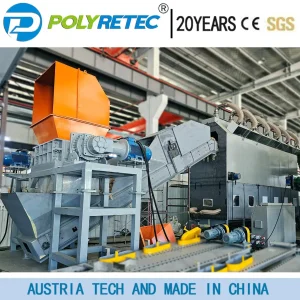
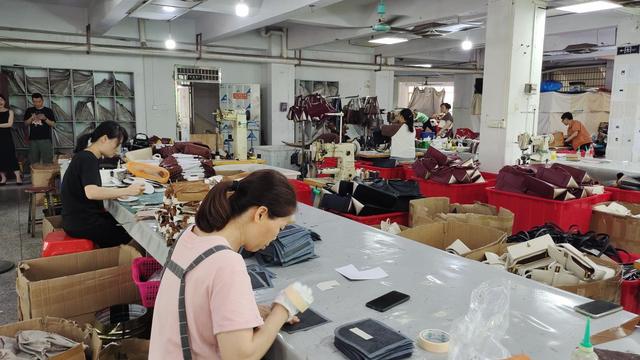
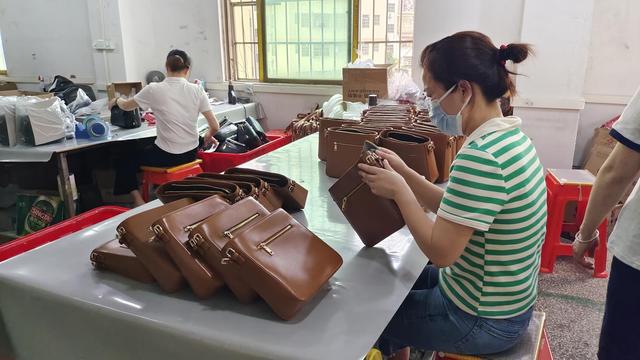
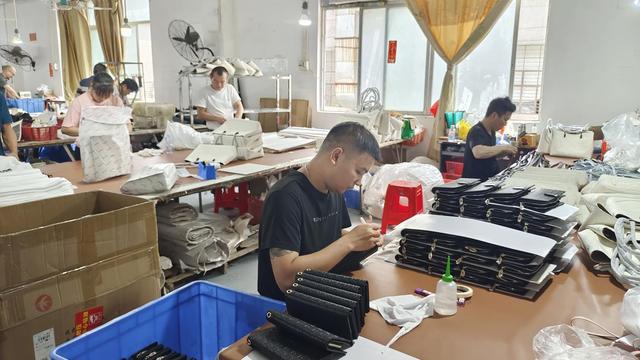
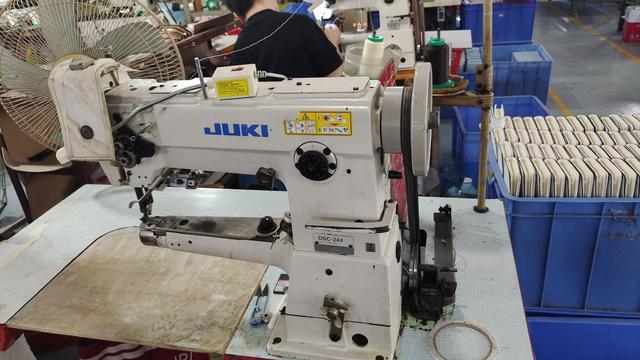
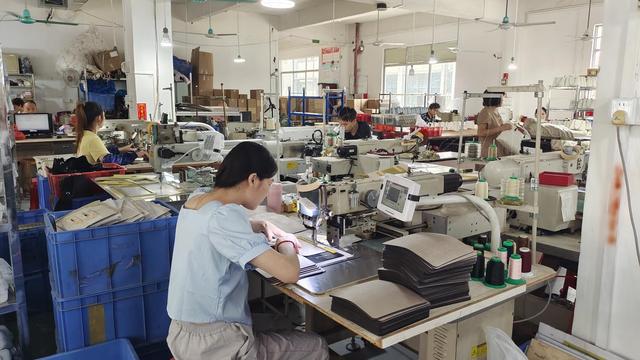
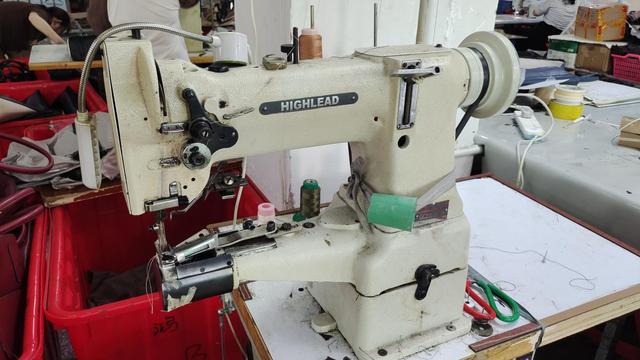
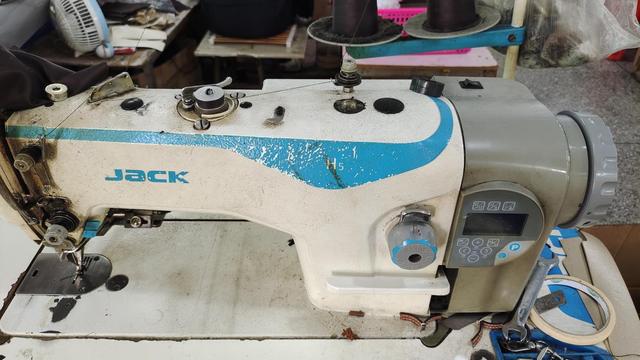
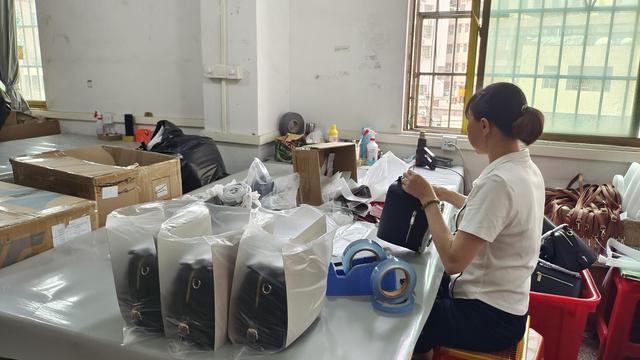
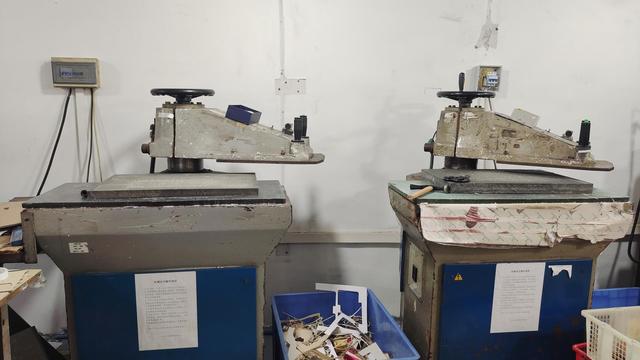
View our advanced production floors, material storage, specialized machinery, and design chambers in Dongguan, China. Our facilities support scalable OEM production with high consistency.
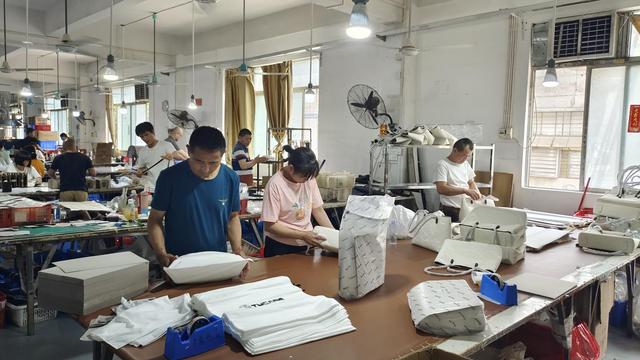
As manufacturing paradigms shift towards Industry 4.0, our development roadmap combines computational design with advanced polymer science to deliver sustainable, smart fashion accessories.
Appliqué work historically generates scrap material due to the irregular shapes of geometric cutouts. To combat material loss, our manufacturing lines are transitioning to AI-driven nesting algorithms. These systems calculate cut configurations on fabric rolls with microscopic accuracy, reducing cutting waste by up to 18%. Lower waste translates directly to cost savings for our OEM partners and a smaller ecological footprint for finished products.
Traditional thermosealing and gluing processes rely on polyurethane-based hot-melt adhesives which release VOCs during manufacturing and degrade slowly. We are conducting pilot runs with starch-based, biodegradable adhesives that offer comparable shear-strength metrics while remaining free of petrochemical solvents. Additionally, we are applying non-toxic, fluorine-free water-repellent coatings onto our structured bags, preparing them to meet future, more restrictive global environmental mandates.
Serving customers across North America, Europe, Asia, the Middle East, South America, and other international markets, Dongguan Fren Fashion Co., Ltd. is dedicated to building long-term partnerships through dependable manufacturing, efficient project management, and responsive customer support. The company continues to help fashion businesses develop competitive handbag collections and custom accessories solutions for diverse global markets.
We recognize that international shipping and customs clearance present major challenges for brands. To ensure seamless delivery, our logistics department provides comprehensive support:
We supply precise Harmonized System (HS) classifications for fashion bags, allowing for correct tariff evaluation and minimizing customs delays across European and North American ports.
We offer Delivered Duty Paid (DDP), CIF, and FOB terms, managing cargo logistics from our facility directly to your regional distribution warehouses.
Each client is assigned a bilingual technical point of contact. This ensures real-time production updates, transparent project tracking, and immediate alignment on design modifications.
Get answers to critical regulatory, manufacturing, and operational questions below.
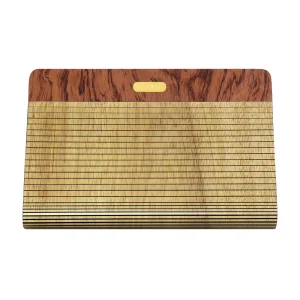
Browse our general export directory including commercial-grade filtration components, sustainable Tyvek carriers, and premium fashion accessories designed to meet global trade requirements.
 Fren Fashion