Why Choose Custom Handbags What Options Are Available?

Time:2026-09-18 Author:Aria
0%

Custom handbags offer more than visual distinction. They can reflect personal routines, professional needs, and carefully considered taste. A commuter may need a padded tablet sleeve, a secure zipper, and a strap that rests comfortably on the shoulder. Someone attending formal events may prefer a compact silhouette, polished hardware, and a soft leather finish.

The practical question is, what customization options are available for handbags? Choices often include size, shape, material, color, lining, pockets, closures, handles, straps, and monogram placement. Experienced makers can adjust patterns to improve balance, weight distribution, and everyday usability. Material selection also matters. Full-grain leather may develop a rich patina, while recycled textiles can offer a lighter and more resource-conscious alternative. Reliable workshops should explain sourcing, care requirements, production timelines, and quality checks clearly.

Small details matter.

A pocket positioned too low can make keys difficult to reach. A beautiful metal clasp may feel inconvenient after repeated use. Customization is not automatically better; thoughtful restraint often creates the strongest result. Measurements should be reviewed before production, especially for laptop compartments or crossbody straps. Sample images can help, but they may not show texture, weight, or color accurately on every screen. That limitation deserves attention.

A trustworthy custom handbag process combines creative direction with technical guidance. It respects material performance, transparent pricing, and responsible manufacturing standards. The final piece should look distinctive, feel comfortable, and serve its intended purpose long after the first impression.
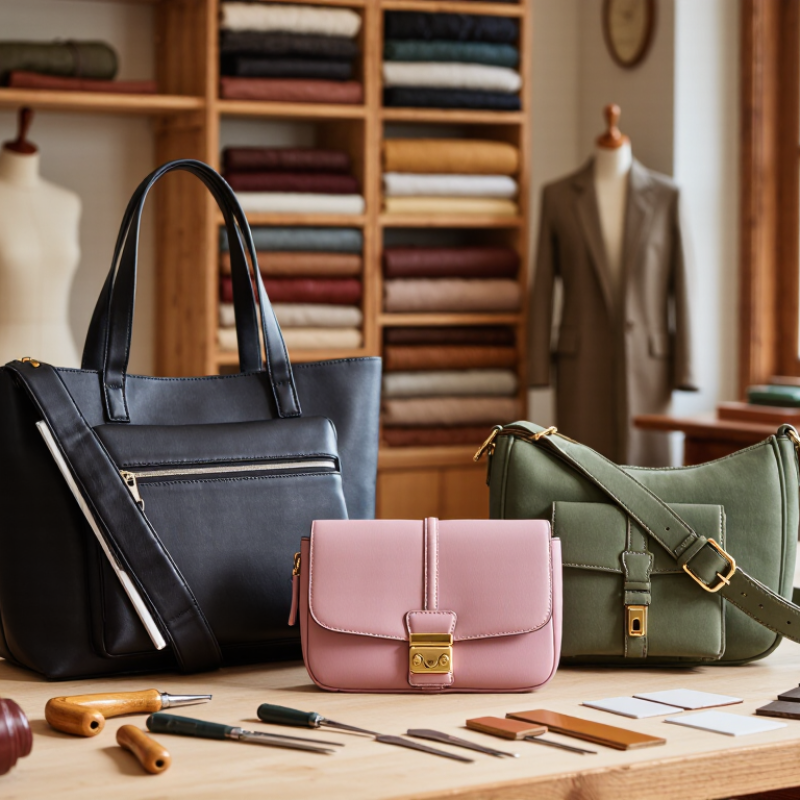
Why Choose Custom Handbags What Options Are Available?

What Are Custom Handbags and How Do They Differ?

Custom handbags are bags designed around a person’s needs, rather than selected from a fixed collection. The customization may involve the silhouette, dimensions, leather or fabric, color, lining, hardware, handles, and closure. Some makers offer initials, while others adjust pockets, strap length, or carrying capacity. Small changes matter.

A standard handbag follows a predetermined pattern. Its size, materials, and construction are usually settled before purchase.

A custom handbag gives the buyer more influence over those decisions. It may be fully bespoke, built from a new pattern, or made-to-order with controlled options. These approaches are different. A made-to-order bag may change its color and monogram, but not its structure.

Practical details should guide the design. A commuter might need a padded tablet sleeve, a secure zipper, and reinforced handles. Someone attending formal events may prefer a smaller frame, satin lining, and discreet metal fittings. Skilled makers should explain material strength, stitching methods, maintenance, and realistic production times. A glossy finish can look refined, but it may reveal scratches quickly.

Customization has limits. More pockets can increase weight. A longer strap may alter the bag’s balance. I have also seen attractive proportions become uncomfortable after daily use. That is easy to overlook. A paper sketch cannot fully show how a loaded handbag rests against the body. Careful measurements, sample reviews, and honest communication help prevent expensive changes later.

Why Do People Choose Custom Handbags?

Why do people choose custom handbags? The answer often begins with fit, function, and personal identity. A commuter may request a padded laptop compartment, a wider strap, or a secure inner pocket. A parent might prefer washable material and quick access for small essentials. These choices make the bag feel useful, not merely decorative.

McKinsey & Company reported in its 2021 personalization study that 71% of consumers expect personalized interactions. It also found that 76% feel frustrated when those expectations are unmet. That expectation matters. Customization can create stronger emotional value because buyers help shape the final product. Initials, handle length, lining color, and pocket placement can reflect daily habits. The decision also supports more deliberate purchasing, since customers may select a design they will use repeatedly. However, personalization is not automatically sustainable or practical. Too many options can create confusion, increase production errors, or encourage unnecessary upgrades. I have found that simple choices often work better than crowded menus. A well-designed custom handbag should solve a real problem first. Its appearance should follow naturally.

Which Design and Material Options Are Available?

Custom handbags allow each design decision to match a real customer’s routine. A structured silhouette suits office use, while a soft hobo shape works better for relaxed travel. In product sampling, I have found that pocket placement matters more than decoration. A phone pocket should remain reachable, even when the bag is full. Strap length, handle width, and closure style also affect comfort and daily reliability.

Material choices create different experiences. Full-grain leather offers strength and develops visible character over time. Recycled canvas feels lighter and supports a casual appearance. Vegan leather can provide a smooth finish, but its durability varies by coating and construction. Cotton, nylon, and microfiber each need different stitching methods. The lining deserves attention too. A pale lining looked elegant in one sample, yet it showed marks quickly. That choice needed reconsideration.

Design details can include contrast piping, embossed patterns, detachable straps, metal feet, and adjustable compartments. Hardware should resist discoloration and operate smoothly after repeated use. I recommend testing zippers, seams, and handles under realistic weight before production. Small prototypes often reveal uncomfortable edges or weak attachment points. Not every attractive detail improves the bag. A heavy chain may look refined, but it can make the handbag tiring to carry. Reliable customization balances appearance, function, material performance, and honest testing.

Why Choose Custom Handbags? What Options Are Available? — Which Design and Material Options Are Available?

Category Option Key Characteristics Durability Care Requirements Weight Typical Customization Uses Relative Cost
Design Options
Design Tote Bag Open, spacious structure with two top handles; suitable for carrying larger daily essentials. High Wipe the exterior clean; reinforce handles and base when used for heavier contents. Light to medium Work bags, shopping bags, promotional gifts, and everyday carry designs. Low to medium
Design Crossbody Bag Features a long adjustable strap that distributes weight across the body and leaves both hands free. High Clean the strap hardware and inspect attachment points regularly. Light to medium Travel, commuting, casual use, and compact personalized accessories. Low to medium
Design Shoulder Bag Designed to sit under the arm; offers a balance between accessibility and capacity. Medium to high Protect the shoulder strap from prolonged moisture and excessive friction. Light to medium Daily fashion bags, office accessories, and coordinated capsule collections. Medium
Design Bucket Bag Soft, rounded body with a drawstring or top closure; provides flexible interior capacity. Medium Store with filling inside to help preserve the shape. Light to medium Relaxed fashion designs, seasonal collections, and casual handbags. Medium
Design Structured Satchel Firm construction with a defined silhouette, often including top handles and a detachable strap. High Use a dust bag and avoid folding; condition leather components when appropriate. Medium to heavy Professional bags, formal collections, and premium custom designs. Medium to high
Design Clutch Small hand-held style with minimal straps; prioritizes portability and formal appearance. Medium Keep away from sharp objects and store flat or lightly filled. Light Evening accessories, event gifts, bridal collections, and compact designs. Low to medium
Design Convertible Bag Uses adjustable or detachable straps to switch between shoulder, crossbody, and handheld carrying. High Check buckles, clips, and strap connectors for wear. Medium Multi-purpose travel products and flexible day-to-evening designs. Medium to high
Material Options
Material Full-Grain Leather Uses the outermost part of the hide and generally retains the natural grain and markings. Very high Keep dry, wipe spills promptly, and condition periodically with a suitable leather product. Medium to heavy Long-lasting handbags, structured designs, and premium custom pieces. High
Material Top-Grain Leather Surface-corrected leather with a relatively smooth, consistent appearance and good flexibility. High Use a soft cloth and leather-specific cleaner; avoid prolonged direct sunlight. Medium Versatile handbags requiring a refined appearance and consistent color. Medium to high
Material Suede Leather with a napped surface that creates a soft texture and matte visual effect. Medium Use a suede brush, avoid water, and apply a suitable protective spray when recommended. Light to medium Soft-textured fashion bags, seasonal designs, and accent panels. Medium to high
Material Cotton Canvas Woven natural-fiber fabric that is flexible, breathable, and available in many weights and colors. Medium to high Spot-clean when possible; washing instructions depend on coatings, dyes, and construction. Light Casual totes, reusable shopping bags, printed artwork, and everyday utility bags. Low to medium
Material Nylon Lightweight synthetic fabric with good abrasion resistance and practical performance in daily use. High Clean with mild soap and water; dry fully before storage. Very light Travel bags, lightweight crossbody styles, sports-inspired designs, and weather-conscious products. Low to medium
Material Recycled Polyester Fabric made from recovered polyester materials; performance varies according to weave, coating, and finish. Medium to high Use mild detergent or spot cleaning; avoid high heat unless care instructions allow it. Light Everyday bags, promotional collections, and designs with recycled-material goals. Low to medium
Material Cork Fabric Flexible material made from cork bark layers bonded to a textile backing; lightweight with a distinctive grain. Medium Wipe gently with a damp cloth and avoid soaking or aggressive chemicals. Light Vegetarian or animal-free design concepts, small accessories, and textured panels. Medium
Material Polyurethane-Based Vegan Leather Synthetic coated textile designed to resemble leather; available in a broad range of colors and finishes. Medium Wipe with a damp cloth; protect from excessive heat, peeling, and prolonged moisture. Light to medium Animal-free product lines, colorful fashion bags, and cost-conscious custom collections. Low to medium
Material Raffia or Paper Straw Natural or paper-based woven material with an open, textured appearance suited to warm-weather styles. Medium Keep dry, avoid overloading, and store in a cool place to help maintain shape. Light Beach bags, resort collections, summer totes, and handmade-look designs. Low to medium
Customization Features
Feature Closure Type Common choices include zipper, magnetic snap, turn-lock, drawstring, flap, or open-top construction. Varies Select hardware that matches the material and clean according to its finish. Minimal added weight Security level, visual style, ease of access, and overall bag function. Low to medium
Feature Interior Organization Options include slip pockets, zip pockets, key clips, dividers, bottle holders, and padded compartments. High Empty compartments before cleaning and avoid overloading seams. Low to medium Work, travel, technology storage, parenting needs, and daily organization. Low to medium
Feature Personalized Details Embroidery, debossing, screen printing, woven labels, contrast stitching, lining colors, and custom hardware can be added. Varies Care depends on the decoration method and base material. Minimal added weight Personal gifts, events, uniforms, collections, and distinctive visual identity. Low to high

Note: Durability, cost, and care requirements vary according to material grade, thickness, construction quality, hardware, lining, stitching, and finishing methods.

How Does the Custom Handbag Design Process Work?

A custom handbag begins with a clear design brief, not a sketch alone. The client defines size, carrying habits, pocket placement, materials, color, hardware, and target price. This conversation prevents attractive but impractical details. Deloitte reported that 36% of consumers were interested in personalized products or services in its 2019 consumer review. That interest makes customization commercially relevant, but it also raises expectations.

The designer then translates the brief into drawings, measurements, and often a digital 3D model. A sample maker builds the first prototype from inexpensive leather, canvas, or synthetic material. The client tests its weight, handle drop, closure, and interior access. Small problems become obvious here. The bag may look elegant, yet feel awkward under the arm. Designers revise the pattern, reinforce stress points, and confirm material availability before approving a final sample. We sometimes overdesign the first version. That is worth questioning.

Production follows a controlled specification sheet. It records stitch length, edge paint, lining structure, logo placement, hardware finish, and acceptable tolerances. Quality teams inspect seams, symmetry, zipper movement, and color consistency. The International Organization for Standardization emphasizes documented processes and continual improvement through ISO 9001 quality principles. For custom work, that discipline matters because every approved detail affects repeatability. The final review should compare the finished handbag with the signed sample, not with memory. Maryin the prototype.

What Factors Affect Custom Handbag Cost and Quality?

Custom handbags offer control over shape, materials, colors, hardware, and interior details. Yet customization affects both cost and quality. In my experience, material choice creates the largest difference. Full-grain leather usually costs more than coated fabric or synthetic leather. It can also develop a richer surface over time. However, expensive material cannot fix weak stitching or poor construction.

Labor matters too. A structured handbag needs accurate cutting, edge painting, reinforcement, and careful assembly. Hand-painted edges and custom metal fittings increase production time. Small details add up. A simple lining may reduce cost, while pockets, compartments, magnetic closures, and protective feet raise it. Minimum order quantities can also affect the final price, especially when custom molds or hardware are required. Estimates are not always exact. Material waste, sample changes, and shipping conditions may change the budget.

Tips: Request a material sample, stitching photo, and complete measurement sheet before approval. Ask whether the quoted price includes sampling, packaging, and revisions. Check stress points around handles and straps. They should feel firm, not decorative. A lower price may seem attractive, but thin lining and uneven edges often reveal future problems. I once focused too much on appearance and overlooked the zipper test. That was a mistake. A reliable maker should explain tolerances, inspection steps, and realistic production times without making exaggerated promises.

FAQS

Which handbag shapes suit different daily routines?

A structured silhouette fits office use and keeps documents upright. A soft hobo shape suits relaxed travel. Shape should follow movement, not only appearance.

Which material options are available for custom handbags?

Full-grain leather offers strength and develops visible character. Recycled canvas feels lighter and looks casual. Vegan leather has a smooth finish, but durability depends on coating and construction.

How do interior details affect everyday comfort?

Pocket placement matters greatly. A phone pocket should stay reachable when the bag is full. Compartments can improve organization, but too many may add cost and weight.

Which design details can be customized?

Options include contrast piping, embossed patterns, detachable straps, metal feet, and adjustable compartments. Strap length and handle width affect comfort. Decorative details are not always useful.

How should hardware and closures be evaluated?

Zippers should move smoothly after repeated use. Hardware should resist discoloration. Magnetic closures and metal feet need secure attachment. Test them with realistic weight.

What factors usually increase custom handbag costs?

Full-grain leather, custom molds, special hardware, and detailed assembly usually increase costs. Extra pockets, compartments, painted edges, and protective feet also add labor.

How can buyers check quality before production?

Request material samples, stitching photos, and a complete measurement sheet. Inspect handle attachments and strap stress points. They should feel firm.

Can attractive details create practical problems?

Yes. A heavy chain may look refined but make carrying tiring. A pale lining may appear elegant and show marks quickly. I once focused on appearance and overlooked zipper testing. That needed correction.

Conclusion

Custom handbags are made to reflect an individual’s preferences rather than following standard, mass-produced designs. People choose them for personal expression, improved functionality, better fit, meaningful details, or special occasions. A custom bag can be adapted in size, shape, structure, and interior layout to match daily needs, travel habits, or a particular style.

When considering what customization options are available for handbags, customers can explore materials such as leather alternatives, canvas, fabric, and other durable textiles, along with choices in color, texture, hardware, handles, straps, pockets, closures, lining, and decorative details. The design process usually begins with an idea or sketch, followed by material selection, sample development, revisions, and final production. Cost and quality depend on the materials, craftsmanship, complexity, quantity, hardware, production time, and level of personalization. Clear specifications and careful quality checks help ensure the finished handbag is attractive, practical, durable, and consistent with the original design.

Aria

Aria

Aria is a dedicated marketing professional with a deep passion for innovative strategies and a keen understanding of our company's product offerings. With a wealth of experience in the industry, Aria excels at crafting engaging content that highlights the unique features and benefits of our......