Why Are Sustainable Handbags Gaining Popularity Today?

Time:2026-06-16 Author:Charlotte
0%

Sustainable fashion is experiencing a significant shift. Many consumers are now questioning their purchasing habits. They wonder why are sustainable handbags becoming popular. This trend reflects a growing awareness of environmental and ethical issues.

Shoppers are increasingly seeking eco-friendly options. They want products that do not harm the planet. Sustainable handbags often use recycled materials, reducing waste. These bags also support fair labor practices, attracting conscious consumers. However, not all brands are transparent. Some may greenwash their products, making claims that are not genuine.

The rise of social media has amplified this awareness. Influencers showcase sustainable handbags, reaching wider audiences. Yet, consumers must stay informed. They should seek reliable brands that prioritize sustainability. In this evolving market, the demand for genuine, sustainable options continues to grow.
Why Are Sustainable Handbags Gaining Popularity Today?

The Rise of Sustainable Fashion: An Overview

Sustainable fashion is more than just a trend; it's a necessary evolution in the industry. The global market for sustainable fashion was valued at approximately $6.35 billion in 2020. This figure is projected to reach $8.25 billion by 2023, according to a report by Allied Market Research. With increasing awareness of environmental issues, consumers are seeking alternatives that align with their values.

Sustainable handbags exemplify this shift. They often use eco-friendly materials, such as recycled fabrics or organic cotton. According to a survey by McKinsey, 66% of consumers consider sustainability when making purchasing decisions. This desire for ethical products is reshaping the handbag market. Yet, there’s a gap in understanding. Not all brands are transparent about their supply chains, leaving some consumers unclear about what 'sustainable' truly means.

The production techniques used in sustainable bags often have a lower environmental impact. However, challenges remain. The higher price point can deter potential buyers. A report from the Fashion Institute of Technology indicates that while 50% of respondents want to buy sustainable items, only 14% consistently do so. This reflects a need for improved accessibility in sustainable fashion. Understanding these complexities helps consumers make informed choices.

Why Are Sustainable Handbags Gaining Popularity Today? - The Rise of Sustainable Fashion: An Overview

Dimension Data
Market Growth (2023) 25%
Percentage of Consumers Preferring Sustainable Products 72%
Material Usage (e.g., Recycled Materials) 60%
Average Price Increase for Sustainable Handbags 15%
Consumer Age Group Most Interested 25-35 years
Increase in Online Searches for Sustainable Handbags 40% YoY

Understanding Sustainable Handbags: Definition and Features

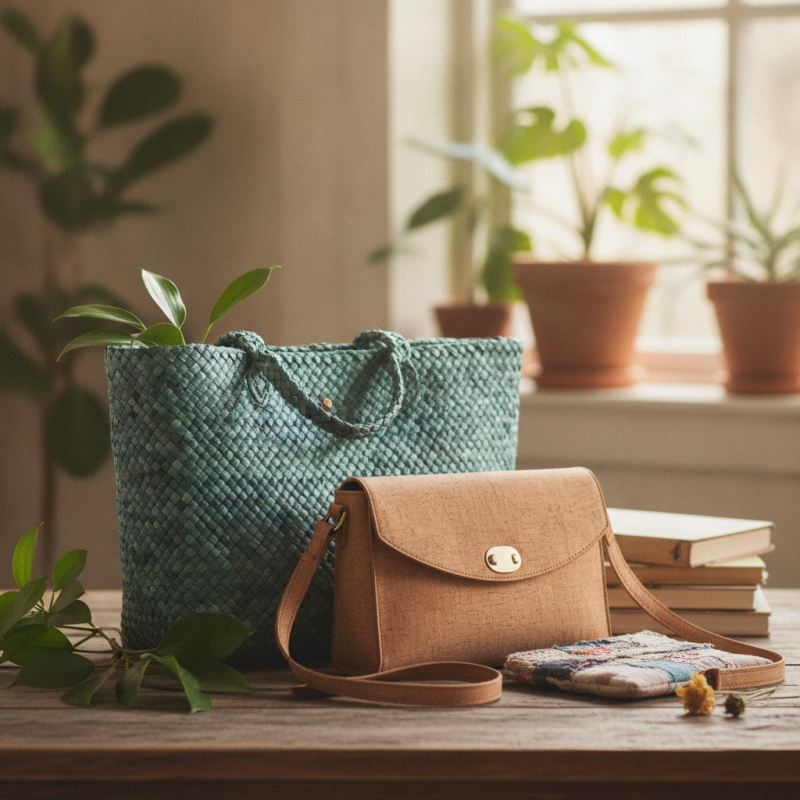
Sustainable handbags are more than just fashion statements. They reflect a growing awareness of environmental impact. These bags are made from eco-friendly materials like organic cotton, recycled plastics, and vegan leather. Such choices reduce waste and carbon footprints.

Features of sustainable handbags often include durable designs, ethical production, and cruelty-free practices. Many companies focus on transparency in their supply chains. This creates trust with consumers who value ethical consumption. However, the price point can raise questions. Are we willing to invest more for sustainability?

Sustainable handbags also encourage mindfulness in our choices. The concept of “slow fashion” pushes us to think beyond trends. It challenges our buying habits. This movement calls for reflection on what we truly need. While the industry evolves, some brands may greenwash their products. Understanding what truly constitutes sustainability is essential.

The Environmental Impact of Traditional Handbag Production

Traditional handbag production has a significant environmental footprint. For instance, a recent report shows that leather tanning processes can generate toxic waste, impacting water sources. The production of synthetic bags often involves petroleum, contributing to carbon emissions. In fact, the industry is responsible for roughly 1.7 billion tons of CO2 emissions annually.

Sustainable alternatives are becoming more crucial. Studies indicate that eco-friendly materials, like organic cotton and recycled plastics, can reduce water usage by 90%. Additionally, sustainable handbags are designed for longevity, challenging the fast fashion mentality. This shift addresses the alarming statistic that nearly 92 million tons of textile waste is produced globally every year.

Yet, it's not all straightforward. The transition to sustainable materials can be met with production challenges, and not all eco-friendly options are affordable. Some consumers still prioritize cost over sustainable practices. It's vital to reflect on the balance between eco-conscious choices and accessibility. This evolving landscape urges a deeper examination of our purchasing decisions.

Consumer Trends Driving the Demand for Eco-Friendly Accessories

Sustainable handbags are experiencing a surge in popularity. This trend is driven by changing consumer behaviors. Many shoppers now prioritize eco-friendly materials over traditional options. They seek products that reflect their values. This shift indicates a growing awareness of environmental issues.


More consumers are looking for brands that practice transparency. They want to know where materials come from and how products are made. Ethical labor practices are also a significant concern. Shoppers feel more connected to products when they are crafted with care.


While sustainable options are on the rise, challenges remain. Some might question the actual impact of eco-friendly materials. Not all brands uphold the same standards, leading to confusion. Consumers are urged to research and choose wisely. The path to sustainability is complex, and not every choice is straightforward.

The Role of Ethical Brands in Shaping Sustainable Handbag Markets

The rise of sustainable handbags highlights the growing influence of ethical brands in the fashion industry. Consumers today are more aware of their environmental impact. In 2023, the sustainable fashion market was valued at approximately $6.35 billion and is projected to grow significantly. This shift shows a demand for products that support ethical practices.

Ethical brands are reshaping consumer expectations. They are addressing issues like labor conditions and eco-friendly materials. For instance, recent reports reveal that 73% of millennials prefer brands with clear sustainability commitments. This trend indicates a growing consumer preference for transparency and accountability in fashion.

However, challenges remain. Not all brands meet the high standards of sustainability. There are debates over the authenticity of some claims. The lack of standardization in sustainability certifications can lead to confusion among consumers. As ethical brands strive for better impact, continuous improvement remains crucial. They must ensure their products genuinely contribute to a sustainable future.

FAQS

: What is sustainable fashion?

: Sustainable fashion is an evolution that focuses on eco-friendly practices. It aims to reduce environmental damage.

Why are sustainable handbags gaining popularity?

Growing consumer awareness of environmental issues drives demand. Shoppers seek products that align with their values.

What materials are typically used in sustainable handbags?

Common materials include recycled fabrics and organic cotton. These choices aim to lessen environmental impact.

Are all brands transparent about their sustainability practices?

No, not all brands are clear. This lack of transparency can confuse consumers about what is truly sustainable.

Why might some consumers hesitate to buy sustainable products?

Higher prices can deter buyers. Many desire sustainable items but struggle with the cost.

What percentage of consumers consider sustainability when purchasing?

Approximately 66% of consumers prioritize sustainability in their shopping decisions. This reflects a growing trend.

What challenges do ethical brands face in the fashion industry?

Ethical brands may not always meet high sustainability standards. Confusion can arise from varying certifications.

How can consumers make informed choices about sustainable products?

Researching brands and their practices is crucial. Understanding complexities helps navigate the sustainable fashion market.

What is the significance of ethical labor practices?

Ethical labor creates a connection between consumers and products. Shoppers value transparency in these practices.

Do consumers trust all sustainability claims made by brands?

Trust isn’t guaranteed. Some claims may lack authenticity, urging consumers to question and verify practices.

Conclusion

Sustainable handbags are gaining popularity today due to the growing awareness of sustainable fashion and its positive impact on the environment. As consumers become more conscious of the ecological consequences of traditional handbag production, including resource depletion and pollution, there is an increasing demand for eco-friendly alternatives. This shift is powered by a desire for products that align with personal values of sustainability and ethical consumption.

Understanding why sustainable handbags are becoming popular involves recognizing their defining features, such as the use of recycled materials and ethical manufacturing processes. Furthermore, the rise of ethical brands that focus on sustainability helps to shape consumer preferences, making these eco-conscious products more accessible and desirable. As consumers continue to seek accessories that have a minimal environmental impact, sustainable handbags represent a meaningful choice that combines style with responsibility.

Charlotte

Charlotte

Charlotte is a seasoned marketing professional with a deep understanding of the company's portfolio and a passion for elevating its presence in the market. With a keen eye for detail and a commitment to excellence, she ensures that our professional blog is regularly updated with insightful articles......