Top 10 Ways to Improve Brand Value Through Handbag Design

Time:2026-09-23 Author:Madeline
0%

Handbags now operate as visible brand statements, not merely functional accessories. They sit on shoulders, appear in street photographs, and remain present across social media feeds. This makes design a powerful commercial language. The central question is how to improve brand value through handbag design without sacrificing usefulness, originality, or trust.

Bain & Company and Altagamma reported that the global luxury market reached approximately €1.48 trillion in 2024. Personal luxury goods represented about €363 billion, despite cautious consumer spending. These figures suggest opportunity, but they also expose pressure. Brands must create products that feel distinctive and justify their prices. A soft leather handle, carefully balanced hardware, or a recognizable closure can communicate value before a customer sees the logo. McKinsey’s State of Fashion research also highlights consumers’ stronger demands for quality, relevance, and lasting meaning. A beautiful silhouette alone may not be enough.

Design researcher Don Norman offers a useful principle: “Design is really an act of communication, which means having a deep understanding of the person with whom the designer is communicating.” His observation applies directly to handbag strategy. A successful bag should understand the owner’s daily movement, storage needs, identity, and emotional expectations. It should look desirable on a display shelf and remain comfortable during a long commute.

This outline examines ten practical ways to build brand value through handbag design. It considers material selection, signature details, function, craftsmanship, sustainability, and cultural relevance. Some experiments will fail. That is normal. A louder logo may reduce elegance, while an ethical material may challenge production teams. Honest reflection matters. Brand value grows when design decisions remain memorable, useful, and credible.
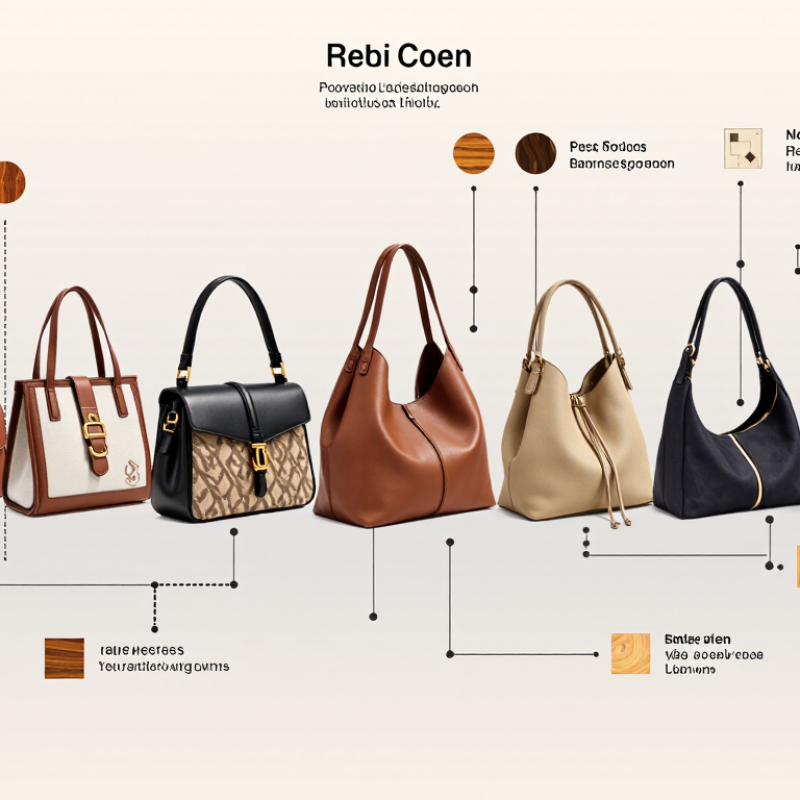
Top 10 Ways to Improve Brand Value Through Handbag Design

Define a Distinctive Handbag Design Language

A distinctive handbag design language turns recognition into trust. In product development, I have found that consistency matters more than decoration. A clear silhouette can speak before a customer touches the bag. Define its visual grammar through shape, proportion, materials, and construction details. Keep one or two features memorable. Too many signatures create visual noise.

Consider a softly curved body, a compact handle, and a carefully measured seam line. These details can become a repeatable design system. Use a controlled color palette, then add one unexpected tone for tension. Hardware should feel intentional, not merely expensive. A brushed clasp may communicate restraint better than oversized shine. Interior structure matters too. Pockets, lining, and weight influence how premium the design feels in daily use. Small details carry real value.

Do not polish away every irregularity. A slight variation in texture can make a crafted surface feel human, but poor alignment suggests weak quality control. This distinction requires testing. Photograph prototypes under natural light, examine them after repeated handling, and ask whether the design remains recognizable without its logo. Document successful dimensions and materials, while leaving room for responsible revision. Customer feedback may challenge the original concept. That is useful. A strong design language should guide decisions, not trap them.

Select Materials That Communicate Quality and Brand Positioning

A handbag’s material speaks before its logo does.

Smooth full-grain leather suggests durability, while finely woven canvas can communicate relaxed confidence. The choice must match the intended price and customer expectation. It should also feel convincing in the hand.

Textile Exchange’s Materials Market Report 2024 estimates that global fiber production reached 124 million tonnes in 2023 and may reach 160 million tonnes by 2030. This growth makes material transparency more important.

Designers should document fiber content, coating composition, origin, and testing results. Recycled nylon may support a responsible positioning, but vague sustainability claims can weaken trust.

Be specific. A small material card can explain the finish, care needs, and expected aging.

Durability also protects perceived value.

The ThredUp 2024 Resale Report projects the global secondhand apparel market will reach 350 billion dollars by 2028. Although handbags are only part of this market, the direction is clear: products with longer lives retain stronger resale appeal.

Test handle stitching, edge paint, hardware resistance, and lining abrasion before production. A beautiful sample can still fail after repeated use.

That uncomfortable discovery is useful. Sometimes a slightly heavier fabric, simpler lining, or visible grain creates more honest quality than a polished but fragile finish.

Balance Functionality, Comfort, and Everyday Usability

Handbag design improves brand value when daily use feels effortless, not merely attractive. In wear testing, carry weight often matters more than decorative details. Start with the body’s routine. A comfortable handle should not cut into the palm after an hour. Adjustable straps should sit securely without slipping from the shoulder. Padded contact points can reduce pressure during commutes, shopping, or travel.

Function must remain visible in the smallest details. A wide opening helps users find keys quickly. Separate pockets protect phones from loose objects. A stable base keeps the bag upright on café tables and office floors. Lightweight materials can reduce fatigue, but thin construction may weaken durability. This trade-off needs careful testing. A prototype may look refined yet feel awkward when filled with a wallet, bottle, tablet, and charger.

Everyday usability also depends on maintenance. Smooth linings are easier to clean, while strong stitching supports repeated opening and closing. Hardware should feel secure, but not add unnecessary weight. Small adjustments matter. They are easy to overlook. Designers should test the bag with different body sizes, clothing layers, and carrying habits. User feedback may challenge the original concept, which is useful rather than embarrassing. I would also question excessive compartments; more storage can create visual clutter and slower access. Clear care instructions, honest material information, and consistent quality checks help turn practical design into lasting trust.

Build Brand Recognition Through Signature Details

A handbag becomes memorable when its signature details feel intentional, not decorative. In product development, I have seen small features shape customer recognition more strongly than oversized logos. A distinctive clasp, curved handle, contrast edge paint, or unexpected lining can create a visual cue customers remember.

Consistency matters. Repeat one or two details across different shapes, sizes, and materials. For example, use the same metal profile or stitch rhythm on a compact shoulder bag and a larger tote. Keep proportions practical. A beautiful handle is useless if it cuts into the hand after ten minutes. Testing with real users often reveals this mistake.

Tips: Choose one signature feature. Sketch it from multiple angles. Test it on different materials. Check comfort, durability, and repair needs. Photograph prototypes in natural light.

Do not change every detail at once. Recognition needs repetition. Still, repetition can become predictable. A slight seasonal adjustment, such as a new texture or softer edge, keeps the design alive without losing its identity. Record customer feedback, return reasons, and wear patterns. These details offer stronger evidence than personal preference. A signature detail should look refined, but it should also survive daily handling, crowded interiors, and hurried movement.

Top 10 Ways to Improve Brand Value Through Handbag Design

Build Brand Recognition Through Signature Details

This normalized design-priority index highlights the handbag attributes most likely to strengthen recognition, perceived quality, emotional appeal, and long-term brand value. Signature hardware, distinctive silhouettes, consistent color codes, and memorable functional details create stronger visual ownership.

Index scale: 0–100. Values represent strategic design importance for brand-building decisions.

Use Sustainability and Craftsmanship to Strengthen Customer Trust

Handbag design can raise brand value when customers see care, not decoration alone. Sustainability begins with material decisions made before the first pattern is cut. Use recycled or certified fibers only when their origin can be verified. Ask suppliers for composition records, testing results, and realistic impact data. “Eco-friendly” is not enough. Independent audits and traceable records make those statements easier to trust. A durable lining, reinforced handle, and replaceable hardware can extend daily use. I have learned that small construction choices often earn trust faster than loud claims.

Craftsmanship makes sustainability visible in the hand. Even edge paint should resist cracking after repeated bending and contact with rain. Stitch density, seam alignment, and clean finishing reveal production discipline. Design teams should test handles with weighted samples before approving a final shape. A bag that looks beautiful but strains the shoulder has failed its user. That mistake is easy to miss in a studio. Real feedback matters.

Invite repair specialists and customers into the evaluation process. Their comments can expose weak closures, uncomfortable straps, or confusing care labels. Publish clear care instructions and explain what can actually be repaired. Avoid promising a circular solution when collection or repair services are unavailable. Trust grows through precise language. It also grows when flaws are acknowledged and corrected publicly. A thoughtful handbag carries responsible materials through dependable human skill.

Top 10 Ways to Improve Brand Value Through Handbag Design - Use Sustainability and Craftsmanship to Strengthen Customer Trust
No. Design Strategy Recommended Design Actions Customer-Trust Benefit Suggested KPI Relevant Fact or Standard
1 Use traceable, lower-impact materials Specify recycled, certified, or responsibly sourced fibers and document the material origin, processing stage, and percentage used in each product. Clear material information reduces uncertainty and makes sustainability claims easier for customers to verify. Material traceability rate: percentage of material weight supported by supplier documentation. The Global Recycled Standard and the Recycled Claim Standard provide recognized frameworks for verifying recycled content and chain of custody.
2 Design for long-term durability Reinforce handle attachments, use abrasion-resistant areas, protect high-stress seams, and test zippers, straps, and hardware before launch. A product that remains functional and attractive for longer supports perceived quality and lowers replacement frequency. Product durability pass rate: percentage of samples passing defined load, abrasion, seam, and hardware tests. ISO 12947 provides standardized methods for testing textile abrasion resistance; ISO 13934-1 covers tensile properties of textile fabrics.
3 Make repair part of the design Use replaceable straps, accessible stitching, standard hardware, spare components, and construction methods that allow lining or closure repairs. Repairability signals responsibility and gives customers confidence that the product is not designed for short-term use. Repairability score: number of common repairs possible without replacing the main body of the bag. WRAP reported that extending the active life of clothing by nine months can reduce carbon, water, and waste footprints by about 20% each.
4 Show craftsmanship through visible details Highlight clean edge painting, consistent stitching, balanced proportions, hand-finished details, and precise hardware alignment. Visible workmanship helps customers connect price with skill, care, and product quality. Quality defect rate: defects per 100 finished bags across stitching, edges, lining, hardware, and symmetry. AQL inspection practices are widely used in manufacturing quality control to define acceptable defect levels for finished products.
5 Publish a clear material story Use a concise product passport or care card that states material composition, country of manufacture, care instructions, repair options, and end-of-use guidance. Specific information is more credible than broad claims such as “eco-friendly” or “green.” Information completeness: percentage of products with verified composition, origin, care, and end-of-use information. ISO 14021 defines principles for self-declared environmental claims and emphasizes accuracy, clarity, and substantiation.
6 Reduce unnecessary material waste Optimize digital pattern layouts, reuse cutting remnants for small components, and design panels that fit standard material widths. Efficient construction demonstrates operational discipline and can reduce the environmental burden per finished product. Cutting waste rate: unused material weight divided by total material issued for production. Material-efficiency measurement is a recognized part of life-cycle and manufacturing impact assessment under ISO 14040 and ISO 14044.
7 Choose low-impact finishes and hardware Prioritize durable water-based finishes where technically suitable, limit unnecessary coatings, and specify hardware that is corrosion-resistant and easy to replace. Fewer finishes and longer-lasting components can improve both perceived refinement and product longevity. Finish and hardware failure rate: percentage of tested components showing peeling, corrosion, discoloration, or breakage. ISO 9227 provides standardized neutral salt-spray testing for evaluating the corrosion resistance of metallic coatings and components.
8 Design for versatile, repeated use Include adjustable straps, practical interior organization, reversible or multi-carry features, and proportions suitable for different daily settings. Versatility increases the number of occasions in which customers can use the same bag, strengthening value perception. Use-case coverage: number of validated daily-use scenarios supported without compromising comfort or function. The circular-design principle of maximizing product utilization emphasizes increasing the frequency and duration of use.
9 Improve comfort and ergonomic performance Balance weight distribution, soften contact points, test strap width and length, and evaluate opening mechanisms with users of different body types. Comfort directly affects repeat use, recommendations, and the customer’s perception of thoughtful design. Comfort satisfaction score: average post-use rating covering weight, strap comfort, accessibility, and organization. Human-centered design principles in ISO 9241-210 support involving users throughout design and evaluation to improve usability.
10 Create a responsible end-of-use pathway Provide take-back, donation, refurbishment, resale, or recycling guidance and clearly explain which components can be separated. End-of-use support shows accountability beyond the initial sale and helps build long-term customer relationships. Recovery rate: percentage of returned products repaired, reused, refurbished, or responsibly recycled. The waste hierarchy prioritizes prevention and reuse before recycling or disposal, as established in European waste-management policy.

FAQS

What creates a distinctive handbag design language?

Use a clear silhouette, balanced proportions, selected materials, and repeatable construction details. Small details matter. Choose only one or two memorable features.

Which design elements can improve customer recognition?

A curved handle, distinctive clasp, contrast edge paint, or unusual lining can become recognizable cues. Repeat them across different bag shapes.

How can a signature detail avoid looking repetitive?

Keep the main feature consistent, then adjust texture, color, or edge softness seasonally. Recognition needs repetition. Predictability can still become a weakness.

Why should handbag proportions be tested with real users?

A compact handle may look elegant but hurt the hand after ten minutes. Test shoulder straps, handle shapes, weight, and interior access during normal movement.

How should materials support customer trust?

Verify recycled or certified fibers through composition records, testing results, and traceable supplier information. Vague environmental language creates doubt.

What construction details make a handbag feel dependable?

Reinforced handles, durable lining, aligned seams, dense stitching, and replaceable hardware support longer use. Test edge paint after bending and light rain exposure.

How can prototype testing reveal design problems?

Photograph samples in natural light and examine them after repeated handling. Test weighted handles, crowded interiors, closures, and strap comfort.

Should every surface look perfectly uniform?

Slight texture variation can suggest human craftsmanship, but poor alignment signals weak quality control. The boundary is not always obvious.

How can customer feedback improve handbag development?

Review return reasons, wear patterns, repair comments, and care-label confusion. Personal preference is useful, but customer evidence may challenge the original idea.

What should responsible care communication include?

Explain cleaning, storage, repair options, and material limits clearly. Do not promise collection or repair services that do not exist. Admit flaws. Then improve them.

Conclusion

How to improve brand value through handbag design begins with creating a distinctive design language that reflects the brand’s identity and appeals to its target customers. Every element, from silhouette and color palette to hardware and stitching, should feel intentional and consistent. Carefully selected materials can communicate quality, durability, and market positioning, while thoughtful construction ensures that style never compromises comfort, practicality, or everyday usability.

Strong brand recognition grows through signature details that customers can easily remember, such as unique closures, lining patterns, textures, or functional features. At the same time, sustainability and craftsmanship can deepen customer trust by demonstrating responsible material choices, long-lasting construction, and respect for skilled production. When design combines visual originality, reliable performance, meaningful details, and transparent values, a handbag becomes more than an accessory. It becomes a clear expression of the brand’s promise, helping attract loyal customers and supporting lasting brand value.

Madeline

Madeline

Madeline is a dedicated marketing professional with a wealth of expertise in our company's core offerings. With a keen understanding of the industry, she brings a unique perspective to her role, consistently delivering high-quality content that highlights the superior aspects of our products. As......