In the competitive world of fashion, knowing how to develop a private label handbag collection can set you apart. The global handbag market was valued at approximately $51 billion in 2020 and is expected to grow at a CAGR of 5.4% from 2021 to 2028, according to Fortune Business Insights. This growth demonstrates the opportunity that exists for emerging brands.
However, private label products come with their own challenges. Brands must establish their identity while competing against established names. Understanding target demographics is essential. Research indicates that 68% of consumers are willing to pay more for a product that reflects their personal style. This statistic emphasizes the need for distinctive design and branding.
Moreover, navigating supplier relationships and manufacturing can be daunting. Many startups struggle with production timelines and quality control. In some cases, lack of precise planning can lead to inventory issues. Addressing these factors is crucial in creating a successful collection. Hence, aspirants must approach this endeavor with both creativity and market awareness to thrive.
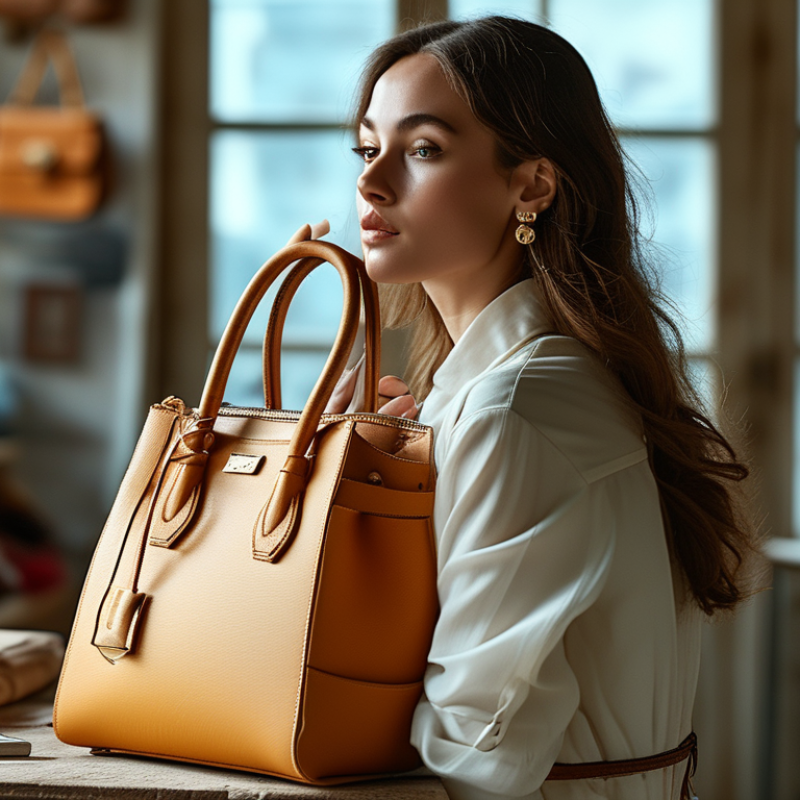
The private label handbag market is growing rapidly. According to a report by Statista, the global handbag market is projected to reach $68 billion by 2025. This trend offers extensive opportunities for new brands. Consumers increasingly seek unique designs, quality materials, and affordability. Understanding these trends is crucial for success.
Tips: Research consumer preferences regularly. Identify which materials are in demand. This can influence your design choices. Focus on creating a strong brand identity. Presentation matters in the handbag market.
The competition is fierce. However, the private label segment allows for flexibility and creativity. Recent studies indicate that 60% of consumers prefer shopping for private label products. This indicates a shift in consumer behavior towards cost-effective options. Testing different styles and price points is essential. Mistakes will happen along the way, but learning from them is key.
Tips: Engage with your target audience on social media. Gather feedback on designs and prices before launching. This information can guide your business strategy and improve product offerings.
Identifying your target audience and market niche is crucial for a successful private label handbag collection. Start by conducting thorough market research. Understand current trends and what consumers desire. Analyze competitors to identify gaps in the market. This can lead you to a unique niche that resonates with shoppers.
Focus on specific demographics. Consider age, income, and lifestyle. Younger audiences may prefer trendy styles, while older consumers might seek classic designs. Create customer personas to visualize your ideal buyers. Engaging with potential customers through surveys can provide insightful feedback. This strategy not only refines your designs but builds a loyal customer base.
Be aware that not all ideas will succeed. Some designs may flop in the market. It's essential to remain adaptable and open to change. Failure can reveal what customers truly want. Regularly evaluate sales data and customer feedback. Use this information to make informed decisions. The handbag market is dynamic, and so is consumer preference. Embrace this fluidity to stay relevant.
Sourcing quality materials and finding reliable manufacturing partners are crucial for a successful private label handbag collection. According to the Fashion Institute of Technology, about 70% of a handbag's success depends on the materials used. Opting for high-grade leather or eco-friendly alternatives can elevate your brand’s perception. Consumers today value sustainability. A report from Statista indicates that 50% of shoppers consider eco-friendly materials when making purchasing decisions.
Your manufacturing partner should have a solid reputation. Look for partners with a track record of quality and ethical practices. Factories listed by the Ethical Fashion Forum provide transparency in their processes. However, not all factories can meet your expected standards. It's vital to conduct thorough due diligence and request samples before making long-term commitments. Engaging with local artisans can also offer unique craftsmanship, but ensure they have the capacity to scale.
Quality control cannot be overlooked. Studies show that 30% of products fail quality tests in the initial phase. Implementing rigorous checklists can minimize defects. Your collection’s reputation hangs on this. Evaluate your promising materials regularly; trends can shift overnight. Being adaptable helps maintain relevance and quality in a volatile market.
When developing a handbag collection, a compelling brand identity is essential. It helps your products stand out in a crowded market. Start by defining your brand's core values. What do you want your handbags to represent? Quality, sustainability, or luxury? Identify your target audience as well. This will help in crafting an identity that resonates with potential customers.
Tip: Conduct market research. Understand what consumers desire in a handbag. Focus on aesthetics, functionality, and overall experience. This insight helps in shaping your brand narrative effectively.
Visual elements matter greatly. Create a distinct logo and color palette that reflects your brand personality. Consistency across all platforms—packaging, website, and social media—is crucial. When customers see your brand, it should evoke specific emotions.
Tip: Use storytelling to connect with your audience. Explain the inspiration behind each handbag. Sharing your design process creates a deeper relationship with consumers. Authenticity builds trust. Don't shy away from imperfections in your journey. They humanize your brand and make it relatable.
Launching a private label handbag collection requires strategic marketing to capture attention. According to a recent industry report, the global handbag market is projected to reach $67 billion by 2025. This growth emphasizes the importance of effective promotional strategies. Utilize social media platforms like Instagram and TikTok, where visual appeal thrives. Engaging content can create buzz and draw potential customers.
Hosting collaboration events can expand your reach. Partner with influencers or local boutiques to showcase your collection. A study indicates that 49% of consumers rely on influencer recommendations for purchases. The right partnership can introduce your brand to a broader audience while adding credibility.
Additionally, focus on building an email marketing campaign. It has a return on investment of $4400%, making it one of the most effective channels. Personalized emails can enhance customer engagement. However, ensure your messages don't become repetitive. Constantly refine your approach based on feedback. Analyze which strategies resonate the most and adjust accordingly to stay relevant.
: The private label handbag market is growing rapidly, with projected sales reaching $68 billion by 2025.
Conduct thorough market research. Analyze demographics like age, income, and lifestyle to find your niche.
Gather consumer feedback on designs and pricing. Engage with your audience on social media for insights.
Utilize platforms like Instagram and TikTok to create engaging content and host collaboration events with influencers.
A strong brand identity is crucial. Presentation plays a significant role in attracting consumers.
Not all designs will succeed. Be prepared for failures and learn from them to understand customer desires.
Analyze feedback and sales data regularly. Adjust strategies based on what resonates most with customers.
Email marketing offers high return on investment. Personalized messages can greatly enhance customer engagement.
Many consumers now prefer private label products for their affordability and unique designs.
Regular research is vital. Consumer tastes change frequently, so stay updated to remain competitive.
In the journey of how to develop a private label handbag collection, understanding the market landscape and current trends is crucial. This involves conducting thorough research to recognize the evolving preferences of consumers and the competitive environment. Identifying your target audience and the specific niche within the handbag market helps in tailoring designs that resonate with your ideal customers.
Next, sourcing quality materials and establishing reliable manufacturing partnerships is essential to ensure that your handbags meet high standards of craftsmanship. Building a compelling brand identity will set your collection apart in a crowded marketplace, allowing you to connect authentically with your audience. Finally, implementing effective marketing strategies is vital for launching and promoting your handbag collection successfully, creating buzz and driving sales while building a loyal customer base.

Fren Fashion